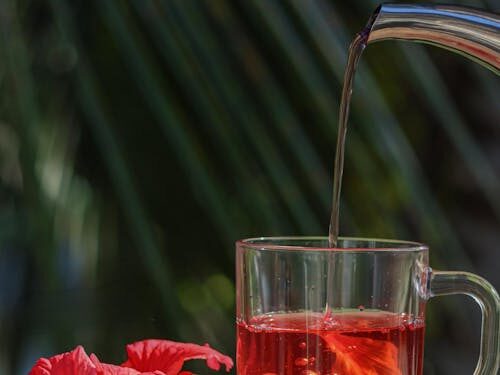
If there’s one herbal drink quietly taking over morning routines and wellness shelves, it’s hibiscus tea. Bold in color, rich in antioxidants, and surprisingly versatile, this ruby-red infusion is far more than a calming beverage. Yet most people who sip it for “general wellness” have no idea how many powerful advantages they’re overlooking.
Today, we’re diving deep into 10 extraordinary Hibiscus Tea Benefits — the ones you’re probably missing, but absolutely shouldn’t. Whether you’re trying to boost your health naturally, refine your daily habits, or simply explore new wellness rituals, this guide will elevate how you look at your cup of tea forever.
Table of Contents
1. It Supports Healthy Blood Pressure (More Than You Think)
Most people know hibiscus tea can help with blood pressure — but few realise how impactful it can be when consumed consistently.
Packed with plant compounds called anthocyanins, hibiscus relaxes blood vessel walls, which helps promote smoother circulation.
A quick habit tip:
Drink one cup in the morning and one in the evening for 2–3 weeks. Many people find noticeable improvements in energy and reduced tension in their shoulders and neck. Pair it with a 10-minute walk after meals for even better results.
2. It Helps Your Body Fight Oxidative Stress (Goodbye, Dull Skin)
When oxidation builds up in the body, it contributes to early ageing, dull skin, and low immunity. Hibiscus tea is loaded with antioxidants that help your body neutralise this stress.
Many skincare enthusiasts swear by the “glow effect” that comes with drinking hibiscus tea daily. It’s not magic — it’s simply plant-based antioxidants doing what they do best.
Bonus tip:
Sip hibiscus tea chilled with a squeeze of lemon for a refreshing summer-friendly antioxidant boost.
3. A Natural Metabolism Enhancer You Probably Overlooked
Few people associate hibiscus tea with weight management — yet it directly supports fat metabolism and helps your body process carbohydrates more efficiently.
If you often feel heavy after meals or experience sluggish digestion, adding hibiscus tea to your routine can help lighten things up naturally.
Daily ritual idea:
Have a warm cup 20–30 minutes before dinner to curb unnecessary snacking and support digestion.
4. A Gentle Aid for Digestion and Detoxification
Hibiscus tea works like a gentle nudge for your digestive system — not aggressive, not overwhelming. It supports smoother digestion, reduces bloating, and encourages natural detoxification through the liver.
If you experience discomfort after oily or heavy foods, try hibiscus tea instead of relying on processed “detox drinks” that often come with side effects.
Try this:
Add a small slice of ginger to your hibiscus tea for extra digestive comfort.
5. It Helps Balance Cholesterol Levels
One of the most underrated Hibiscus Tea Benefits is its potential to support healthier cholesterol levels. Studies suggest hibiscus extracts may help reduce “bad” LDL cholesterol while supporting “good” HDL levels.
When you’re building long-term habits for heart health, hibiscus tea can be an easy, enjoyable addition to your daily plan.
Small lifestyle tweak:
Replace sugary evening beverages with hibiscus tea — your heart will thank you.
6. A Natural Mood-Boosting Drink
There’s something almost therapeutic about the color, aroma, and warmth of hibiscus tea — and science agrees.
Its natural compounds help soothe the nervous system and reduce mild stress, making it a perfect evening companion.
If you often feel mentally overloaded, hibiscus tea may help you unwind without needing caffeine or sugary snacks.
Evening routine idea:
Try a warm hibiscus tea with a few drops of honey and some soft background music. It’s surprisingly grounding.
7. Supports Healthy Liver Function
Your liver works quietly behind the scenes, handling everything from detoxification to digestion. Hibiscus tea provides supportive nutrients that help your liver function more efficiently and stay protected from oxidative stress.
Think of it as giving your liver a little “thank you” every day.
Try this habit:
Drink hibiscus tea on an empty stomach once or twice a week to give your liver a gentle reset.
8. It Strengthens Immunity Naturally
Because hibiscus is packed with vitamin C and antibacterial properties, it strengthens your immune system in a very natural way — without the artificial additives found in packaged supplements.
Many people notice fewer seasonal colds and faster recovery from fatigue after making hibiscus tea a weekly habit.
Pro tip:
If you feel a cold coming on, sip warm hibiscus tea with turmeric and black pepper. It works like a comforting shield.
9. A Caffeine-Free Energy Lift
What makes hibiscus tea so unique is its ability to refresh your mind without caffeine.
It still offers a light, uplifting feeling — perfect for people who want to reduce their coffee intake but still crave an energizing ritual.
Plus, no caffeine crash, no jitters, and no sleep disruption.
Afternoon idea:
Replace your 4 PM coffee with cold hibiscus tea infused with mint. You’ll feel energized without overstimulation.
10. A Beautiful Beverage That Supports Skin, Hair & Overall Vitality
With its antioxidant power, hydration support, and vitamin-rich profile, hibiscus tea nourishes your body from within — which naturally translates into healthier skin, stronger hair, and better vitality overall.
People who drink hibiscus tea regularly often describe themselves as feeling “lighter,” “more refreshed,” and “more balanced.”
This isn’t just another trendy tea — it’s a lifestyle booster.
Beauty tip:
Use cooled hibiscus tea as a DIY facial mist (avoid if you have extremely sensitive skin). It gives a refreshing, rosy glow.
How to Make Hibiscus Tea the Right Way
To get the maximum benefits:
- Use dried hibiscus petals (organic if possible).
- Steep for 5–7 minutes — over-steeping can make it too tangy.
- Add natural sweeteners like honey only if needed.
- Try variations like:
- Hibiscus + cinnamon
- Hibiscus + ginger
- Iced hibiscus with mint
- Hibiscus lemonade
Create your signature version — the flavor is incredibly versatile.
Are There Any Side Effects?
Hibiscus tea is generally safe.
However, if you have low blood pressure or are pregnant, consult a doctor before adding it to your routine.
Moderation is key — 1 to 2 cups a day is ideal for most people.
Final Thoughts: Why You Should Add Hibiscus Tea to Your Daily Life
Hibiscus tea isn’t just a pretty, tangy, ruby-red drink — it’s a powerhouse filled with health-enhancing potential.
From balanced blood pressure and better digestion to glowing skin and improved mood, the Hibiscus Tea Benefits are truly remarkable and often underestimated.
If you’re looking for a simple, enjoyable, and natural way to upgrade your everyday wellness, hibiscus tea might just become your new favorite ritual. Start with one cup, experiment with flavors, listen to your body — and watch the subtle but meaningful changes unfold.
Your health journey doesn’t need to be complicated. Sometimes, all it takes is a beautiful cup of tea.
FAQ:
1. What are the main Hibiscus Tea Benefits?
Hibiscus tea supports heart health, boosts digestion, enhances immunity, and provides powerful antioxidants.
2. Does hibiscus tea help lower blood pressure?
Yes, hibiscus tea may naturally help lower blood pressure due to its ACE-inhibitor-like effects.
3. Can hibiscus tea improve heart health?
Yes, hibiscus tea contains anthocyanins that help maintain healthy cholesterol and support overall heart wellness.
4. Is hibiscus tea good for weight loss?
Hibiscus tea can support weight loss by improving metabolism and reducing fat accumulation.
5. Does hibiscus tea help with digestion?
Yes, hibiscus tea helps reduce bloating and promotes smoother digestion.
6. Does hibiscus tea boost immunity?
Yes, thanks to its vitamin C and antioxidant content, hibiscus tea strengthens the immune system.
7. Is hibiscus tea safe to drink every day?
Most people can safely drink hibiscus tea daily in moderate amounts.
8. Can hibiscus tea help lower cholesterol?
Yes, hibiscus tea may help reduce LDL (bad cholesterol) while supporting good heart health.
9. Does hibiscus tea help with blood sugar control?
Some research suggests hibiscus tea may help balance blood sugar levels.
10. Can hibiscus tea reduce stress?
Yes, hibiscus tea has natural calming properties that can help reduce stress and anxiety.
11. Is hibiscus tea good for skin health?
Yes, its antioxidants help promote clear, radiant, and youthful-looking skin.
12. Can hibiscus tea improve hair health?
Hibiscus tea may help nourish the scalp and reduce dryness, supporting healthier hair.
13. What is the best time to drink hibiscus tea?
Hibiscus tea can be enjoyed anytime, but many prefer it in the afternoon or evening.
14. Can hibiscus tea help with detoxification?
Yes, hibiscus tea supports liver function and helps the body flush out toxins.
15. Is hibiscus tea caffeine-free?
Yes, hibiscus tea is naturally caffeine-free.
16. Can pregnant women drink hibiscus tea?
Pregnant women should consult a doctor before consuming hibiscus tea due to its potential hormonal effects.
17. How many cups of hibiscus tea can I drink in a day?
1–2 cups per day is generally considered safe.
18. Can hibiscus tea be mixed with other herbal teas?
Yes, hibiscus pairs well with mint, ginger, lemongrass, and green tea.
19. Does hibiscus tea taste sour?
Yes, hibiscus tea naturally has a tangy, cranberry-like flavor.
20. Can hibiscus tea help reduce inflammation?
Yes, it contains anti-inflammatory compounds that may help reduce internal inflammation.
-

Why Am I So Impatient? 7 Powerful Reasons You Feel This Way (And How to Fix It)
Have you ever caught yourself tapping your foot at a red light, refreshing an app every few seconds, or feeling irrationally annoyed when someone talks just a little too slowly? And then that thought hits you: why am I so impatient all the time? You’re not broken. You’re not rude. And you’re definitely not alone.…
-

9 Shocking Reasons Why Am I So Angry All the Time (And How to Fix It)
Have you ever stopped mid-reaction and wondered, “Why am I so angry all the time?”Not just annoyed—but deeply irritated, tense, or ready to snap over small things? You’re not broken. You’re not a bad person. And you’re definitely not alone. Constant anger is rarely about one single issue. It’s usually a signal, not a flaw.…
-

11 Life-Changing Steps to Discover How Do I Love Myself
Learning to love yourself isn’t a one-time achievement—it’s a lifelong journey that shapes how you think, feel, and live. And if you’ve ever asked yourself, “How do I love myself?”, you’re not alone. In fact, this question surfaces during some of the most important turning points in life: after heartbreak, during burnout, while chasing big…