When most people think of roses, they picture romance, celebration, and beauty. But what if this delicate flower could also transform your health from the inside out?
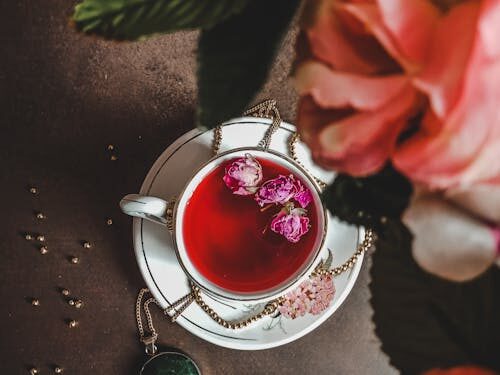
Welcome to the world of rose tea — a soothing, fragrant drink that has been cherished across ancient Persia, China, Greece, and India for its healing properties. While it may look simple and elegant, rose tea carries tremendous benefits for the body, mind, and skin. Today, we’re diving deep into the most surprising rose tea benefits and how this floral drink can quietly elevate your daily wellness routine.
If you’re someone who values natural remedies, self-care, and sustainable wellness, this herbal tea might just become your new favorite ritual. And if you’re already exploring heart healthy foods, rose tea is a beautiful addition that supports your well-being holistically.
Let’s uncover the real magic inside this fragrant cup.
Table of Contents
1. Rose Tea Helps Reduce Stress and Supports Emotional Balance
One of the most soothing rose tea benefits is its ability to instantly calm your mind. The gentle aroma of rose petals has been used in aromatherapy for centuries to help reduce anxiety, lighten mood, and promote emotional clarity.
Rose tea naturally contains compounds that influence the nervous system and help settle stress-related symptoms such as:
- Restlessness
- Mood swings
- Nervous tension
- Trouble winding down
Actionable Tip:
Sip warm rose tea in the evening with slow breathing exercises. Let the floral scent support emotional relaxation after a busy day.
2. A Natural Digestive Soother
If you suffer from bloating, heaviness, or digestive discomfort, rose tea might become your go-to remedy.
Its anti-inflammatory and gentle laxative properties help support smoother digestion after meals.
Here’s what it may help with:
- Bloating
- Indigestion
- Constipation (mild)
- Gut inflammation
The natural oils in rose petals help stimulate bile flow, supporting the digestive system without irritation.
Actionable Tip:
Drink rose tea 20–30 minutes after a meal, especially after heavy or oily foods, to ease bloating and discomfort.
3. Supports Heart Health and Complements Heart Healthy Foods
Rose tea is not just about beauty and relaxation — it also supports your cardiovascular health.
Its antioxidants help reduce oxidative stress, which is a major contributor to heart-related issues.
When paired with heart healthy foods like nuts, oats, berries, and leafy greens, rose tea acts as a complementary wellness booster.
Rose tea may help:
- Maintain healthy cholesterol levels
- Improve blood circulation
- Reduce inflammation around blood vessels
- Promote overall heart wellness
Actionable Tip:
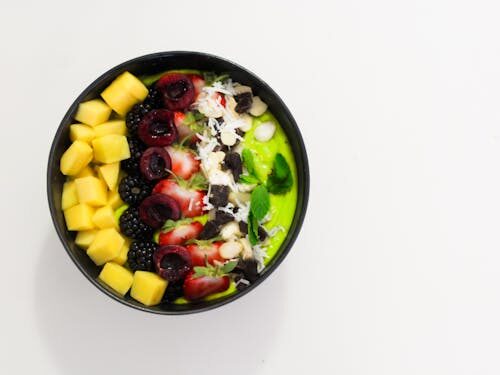
Pair your morning oatmeal or fruit bowl with a warm cup of rose tea for a heart-friendly, antioxidant-rich breakfast ritual.
4. Great for Glowing Skin and Anti-Aging
If glowing, nourished skin is on your wishlist, rose tea deserves a top spot in your routine.
The antioxidants, vitamin C, and anti-inflammatory compounds in rose petals help rejuvenate the skin from the inside out.
Regular drinking may help improve:
- Skin hydration
- Acne inflammation
- Fine lines and aging signs
- Skin tone and radiance
Rose tea also helps purify the blood, which naturally contributes to clearer skin.
Actionable Tip:
Use cooled rose tea as a facial mist or toner to refresh and soothe your skin instantly.
5. Boosts Immunity with Natural Vitamin C
One of the underrated rose tea benefits is its immune-supporting properties.
Rose petals naturally contain vitamin C — a key nutrient required for strong immunity, collagen production, and healing.
Benefits include:
- Stronger immune response
- Reduced frequency of common colds
- Faster recovery from fatigue
- Improved overall vitality
Actionable Tip:
Enhance your rose tea with a slice of lemon or a small amount of raw honey for an extra immunity boost.
6. Promotes Better Hydration and Detoxification
Rose tea serves as a gentle, natural detoxifier. Its hydrating qualities help flush out toxins from the system, reduce water retention, and support kidney function.
Your body may benefit through:
- Clearer skin
- Reduced puffiness
- Better fluid balance
- Improved metabolic functions
Because rose tea is caffeine-free, it hydrates your body without the jittery effects of coffee or black tea.
Actionable Tip:
Drink 1–2 cups of rose tea during the afternoon to maintain hydration and support natural detox processes.
7. Supports Menstrual Health and Hormonal Balance
For many women, menstrual discomfort can disrupt life every month. Rose tea offers natural relief because of its anti-spasmodic and anti-inflammatory properties.
It may help ease:
- Cramps
- Mood swings
- Headaches
- Fatigue
- Hormonal fluctuations
Rose tea also helps relax uterine muscles, which can reduce pain intensity without any harsh side effects.
Actionable Tip:
During your period, drink warm rose tea twice a day to ease cramps and support emotional stability.
8. May Support Weight Management in a Gentle Way
Rose tea isn’t a magic fat burner, but it supports weight management in very practical ways:
- Reduces cravings
- Supports digestion
- Helps regulate metabolism
- Calms emotional eating
- Improves hydration (a key to weight control)
When consumed along with nutritious meals and heart healthy foods, rose tea can help promote balanced wellness and sustainable weight management.
Actionable Tip:
Drink rose tea mid-evening to reduce unnecessary snacking and late-night cravings.
How to Prepare Rose Tea the Right Way
To enjoy the full rose tea benefits, use high-quality dried rose petals or organic rose buds.
Simple Recipe:
- Boil 1–1.5 cups of water.
- Add 1 tablespoon dried rose petals or 3–4 rose buds.
- Let it steep for 5–7 minutes.
- Strain and enjoy warm.
- Enhance with honey, lemon, or cinnamon if desired.
Conclusion: A Simple Tea With Surprising Power
From supporting emotional well-being to improving skin, digestion, and heart health, rose tea offers a long list of benefits wrapped in a soothing floral aroma.
These rose tea benefits make it a powerful addition to any wellness routine — especially when paired with heart healthy foods, mindful eating, and daily self-care habits.
If you’re looking for a natural, gentle, and enjoyable way to elevate your health, a warm cup of rose tea might be the most delightful habit you add to your routine this year.
Disclaimer: This information is for general wellness purposes only and should not replace professional medical advice.
FAQ:
1. What is rose tea?
Rose tea is an herbal infusion made from dried rose petals or rose buds, known for its soothing aroma and natural health benefits.
2. What are the main rose tea benefits?
The main benefits include better digestion, improved skin health, stress relief, stronger immunity, menstrual support, and heart wellness.
3. Does rose tea help with stress and anxiety?
Yes, rose tea has calming properties that help relax the mind, reduce tension, and support emotional balance.
4. Can rose tea improve skin health?
Absolutely. Its antioxidants and vitamin C help reduce inflammation, promote glow, and support anti-aging.
5. Does rose tea help with digestion?
Yes, rose tea gently supports digestion by reducing bloating, easing indigestion, and calming gut inflammation.
6. Is rose tea good for heart health?
Yes, rose tea’s antioxidants support better blood flow and complement other heart healthy foods in your diet.
7. Can rose tea help with weight loss?
Indirectly, yes. Rose tea helps reduce cravings, supports digestion, and keeps you hydrated, all of which aid weight management.
8. Does rose tea contain caffeine?
No, rose tea is naturally caffeine-free, making it suitable for any time of day, even before bedtime.
9. Is rose tea good for immunity?
Yes, rose tea contains natural vitamin C, which supports immunity, healing, and overall vitality.
10. Can rose tea help with menstrual cramps?
Yes, rose tea has anti-spasmodic properties that help relax muscles and reduce menstrual discomfort.
11. How often can I drink rose tea?
You can safely drink rose tea 1–2 times per day as part of your wellness routine.
12. Can rose tea help detox the body?
Yes, its hydrating and anti-inflammatory properties support natural detoxification and reduce water retention.
13. Does rose tea improve sleep quality?
Yes, the calming aroma and relaxing compounds help promote restful, deeper sleep.
14. How do I prepare rose tea at home?
Steep 1 tablespoon dried rose petals or 3–4 rose buds in hot water for 5–7 minutes, then strain and enjoy.
15. Can rose tea be used for skincare?
Yes, cooled rose tea can be used as a natural toner, face mist, or mixed into DIY skincare masks.
16. Is rose tea safe during pregnancy?
Pregnant women should consult a doctor before consuming rose tea, as research is limited.
17. Are there any side effects of rose tea?
Most people tolerate rose tea well, but excessive consumption may cause mild stomach discomfort.
18. Can rose tea help reduce bloating?
Yes, rose tea’s soothing properties help ease bloating and support smoother digestion.
19. Can I drink rose tea with honey or lemon?
Yes, adding honey or lemon enhances the flavor and boosts immunity and digestion benefits.
20. How long does it take to see results from rose tea?
Digestive and relaxation benefits may appear within days, while skin and hormonal improvements may take a few weeks.
-

Why Am I So Impatient? 7 Powerful Reasons You Feel This Way (And How to Fix It)
Have you ever caught yourself tapping your foot at a red light, refreshing an app every few seconds, or feeling irrationally annoyed when someone talks just a little too slowly? And then that thought hits you: why am I so impatient all the time? You’re not broken. You’re not rude. And you’re definitely not alone.…
-

9 Shocking Reasons Why Am I So Angry All the Time (And How to Fix It)
Have you ever stopped mid-reaction and wondered, “Why am I so angry all the time?”Not just annoyed—but deeply irritated, tense, or ready to snap over small things? You’re not broken. You’re not a bad person. And you’re definitely not alone. Constant anger is rarely about one single issue. It’s usually a signal, not a flaw.…
-

11 Life-Changing Steps to Discover How Do I Love Myself
Learning to love yourself isn’t a one-time achievement—it’s a lifelong journey that shapes how you think, feel, and live. And if you’ve ever asked yourself, “How do I love myself?”, you’re not alone. In fact, this question surfaces during some of the most important turning points in life: after heartbreak, during burnout, while chasing big…